Get Accessible Ramp Installation
Accessible ramp installation services help property owners create safe, easy-to-use entryways by connecting them with local contractors who handle projects like wheelchair ramps and stair lifts.
Accessible ramp installation services provide practical solutions for property owners seeking to improve mobility and accessibility. Whether for residential, commercial, or public spaces, installing a well-designed ramp can enhance safety and independence for individuals with mobility challenges. Property owners in the area might explore these services to ensure their spaces meet accessibility needs, comply with regulations, or simply create a more welcoming environment for visitors and residents alike. Continuing to read can help identify local contractors who specialize in accessible ramp projects and compare options suited to specific property requirements.
Finding the right local service providers for accessible ramp installation involves planning and evaluating available options to meet unique property needs. Many contractors offer a range of solutions tailored to different settings, ensuring that the final installation is both functional and durable. By exploring local choices, property owners can gather information about different approaches and select the best fit for their project. This process supports making informed decisions to improve accessibility effectively and confidently.
- Residential properties - homeowners may need accessible ramps installed to improve entry for family members with mobility challenges.
- Commercial buildings - businesses seeking to comply with accessibility standards often require ramp installations for customer and employee access.
- Public facilities - community centers, libraries, and parks may need ramps to ensure accessibility for all visitors.
- Multi-family housing - apartment complexes and condominiums might require ramps to accommodate residents with mobility needs.
- Event venues - organizers may need temporary or permanent ramps to provide accessible entry points for attendees.
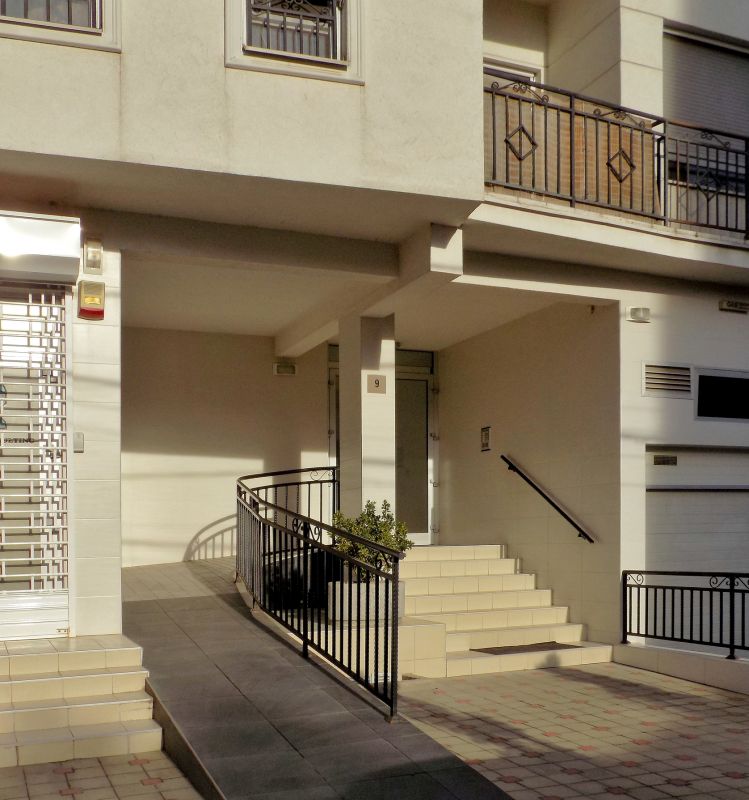
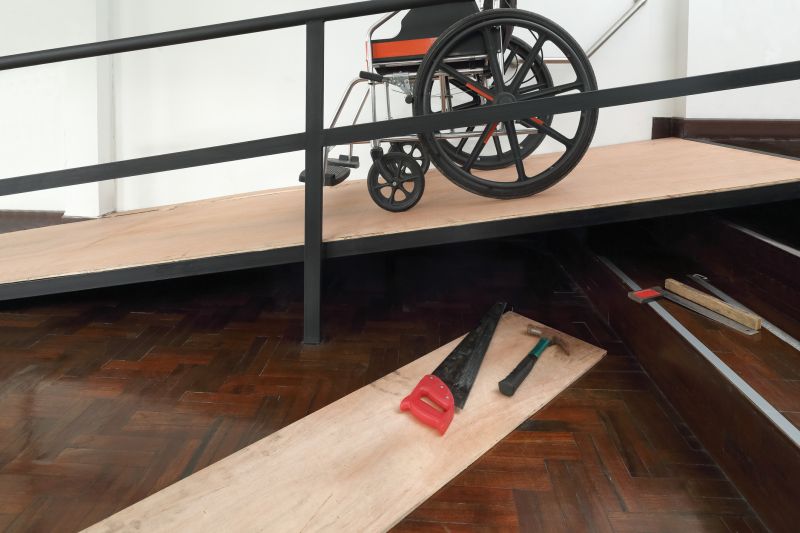
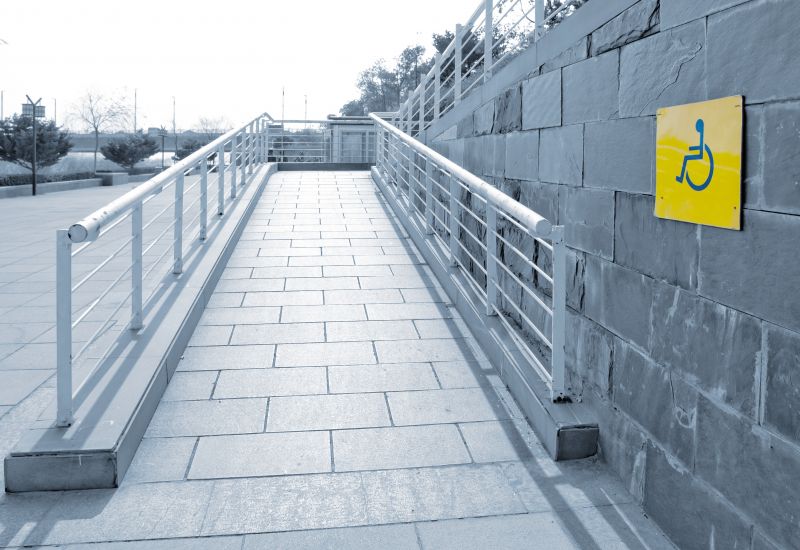
Accessible ramp installation services involve the design, construction, and placement of ramps that provide easier access to homes and buildings for individuals with mobility challenges. These ramps are tailored to meet specific needs, whether for temporary use or long-term accessibility. Service providers typically assess the property to determine the best location and type of ramp, ensuring it is stable, secure, and compliant with relevant standards. The process often includes selecting appropriate materials, building the ramp to the correct slope, and ensuring a smooth transition from the ground to the entry point.
This service helps solve common accessibility problems faced by homeowners and visitors who use wheelchairs, walkers, or have difficulty navigating stairs. It eliminates barriers that can prevent entry or make daily activities more difficult. Installing a ramp can also help meet legal requirements for accessibility in certain properties, making homes more inclusive for family members, friends, or guests with mobility needs. Additionally, ramps can prevent potential accidents caused by unstable or steep stairs, providing a safer environment for everyone.
Properties that typically utilize accessible ramp installation include single-family homes, apartment complexes, condominiums, and commercial buildings. Homes with steps at the entrance or uneven terrain often require ramps to improve access. Multi-story residences where residents or visitors have mobility impairments benefit from these installations as well. Commercial properties such as retail stores, offices, and public facilities also frequently need ramps to comply with accessibility standards and accommodate individuals with disabilities.
When considering accessible ramp installation, homeowners and property managers should evaluate their specific needs and the property's layout. Ramps are especially useful for those who experience difficulty with stairs due to age, injury, or disability. They can also be a practical addition for families with young children or guests who require mobility assistance. Local contractors can help determine the most suitable type of ramp-whether portable, modular, or permanent-and handle all aspects of the installation to ensure the structure provides safe, reliable access for years to come.
The overview below groups typical Accessible Ramp Installation projects into broad ranges so you can see how smaller, mid-sized, and larger jobs often compare in your area.
In many markets, a large share of routine jobs stays in the lower and middle ranges, while only a smaller percentage of projects moves into the highest bands when the work is more complex or site conditions are harder than average.
Smaller Repairs - Many routine ramp repair jobs typically cost between $250 and $600, covering minor modifications or adjustments. Most projects in this range involve simple fixes that local contractors can handle efficiently.
Standard Installations - Installing a new accessible ramp usually falls within the $1,000 to $3,000 range. This includes typical projects for residential or small commercial properties, with costs varying based on size and materials.
Full Replacement - Replacing an existing ramp with a new structure can range from $3,500 to $7,000, depending on the complexity and custom features. Larger or more complex projects tend to push costs higher, but many fall within this middle tier.
Complex or Custom Projects - Larger, more intricate ramp installations or those requiring special materials can exceed $7,000 and may reach $10,000 or more. These projects are less common and usually involve additional site work or design features.
Actual totals will depend on details like access to the work area, the scope of the project, and the materials selected, so use these as general starting points rather than exact figures.
Wheelchair Ramp Construction - local contractors skilled in building accessible ramps for mobility devices often have experience with similar structural modifications and planning requirements.
Home Accessibility Modifications - specialists who install grab bars, stair lifts, and other accessibility features share planning and installation skills relevant to ramp projects.
Commercial Access Improvements - service providers working on public building entrances and storefronts utilize comparable skills in ADA compliance and structural planning.
Deck and Porch Construction - professionals experienced in building outdoor structures can often adapt their skills for creating durable, safe ramps for accessibility.
Structural Reinforcement Projects - contractors involved in strengthening existing structures understand load calculations and planning similar to ramp installation requirements.
Exterior Staircase Renovations - specialists who modify or replace outdoor stairs are familiar with planning, materials, and safety considerations relevant to ramp installation.
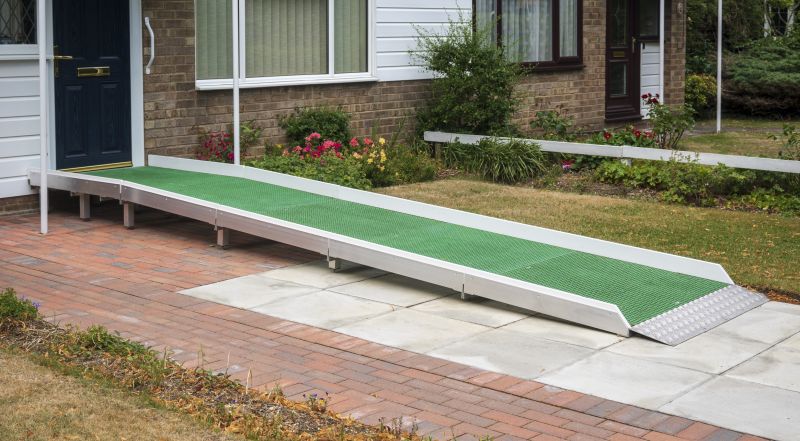
When comparing service providers for accessible ramp installation, it’s important to consider their experience with similar projects. Homeowners should look for local contractors who have a proven track record of successfully completing ramp installations that match the specific needs of their property. Asking about previous work can provide insight into their familiarity with different types of ramps, materials, and site conditions, helping to ensure the chosen professional has the relevant expertise to handle the project effectively.
Clear written expectations are essential for a smooth installation process. Homeowners should seek out local pros who can provide detailed descriptions of the scope of work, materials to be used, and any necessary preparations or considerations. Having this information in writing helps prevent misunderstandings and ensures everyone is aligned on project goals. It’s also beneficial to verify that the contractor can accommodate any specific accessibility requirements or preferences, fostering a transparent and collaborative working relationship.
Reputable references and good communication are key indicators of reliable service providers. Homeowners should inquire about references from previous clients to gain insights into the contractor’s professionalism, quality of work, and adherence to timelines. Additionally, clear and responsive communication throughout the process can make a significant difference, making it easier to address questions or concerns as they arise. It’s important to remember that this site introduces homeowners to local options for accessible ramp installation, serving as a resource to connect with qualified service providers rather than performing the work itself.
Property owners use Accessible Ramp Installation services for practical projects around their homes and businesses. This guide focuses on everyday jobs and straightforward project options.
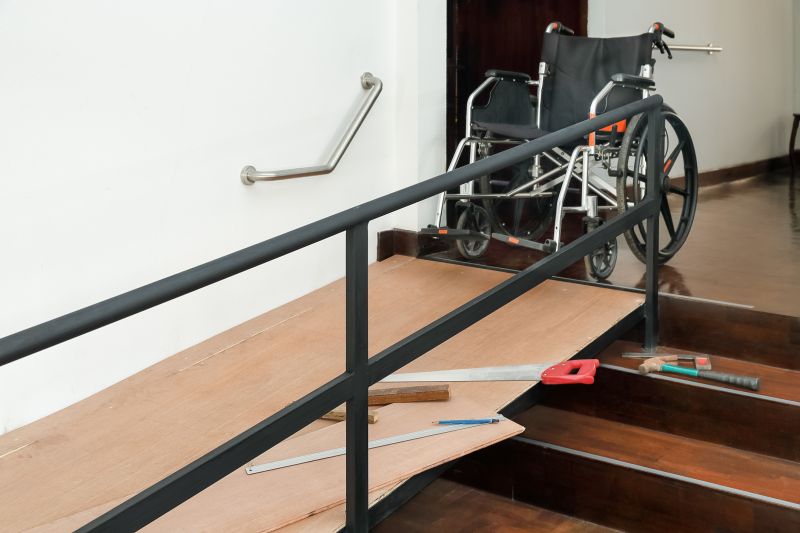
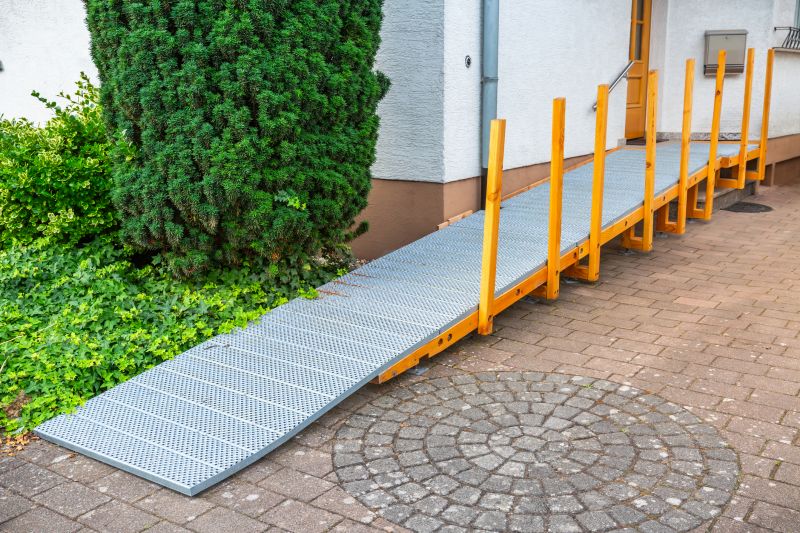
Accessible ramp installation is a common project for property owners seeking to improve accessibility around their homes or businesses. Whether installing a new ramp to accommodate mobility devices or replacing an existing one that no longer meets safety standards, local contractors can help ensure the entryway is safe and functional. Many property owners look for these services to make entrances more accessible for family members, visitors, or clients who use wheelchairs, walkers, or have difficulty navigating stairs.
In addition to helping individuals with mobility challenges, property owners may seek ramp installation to comply with accessibility requirements or to enhance the convenience of their property. Local service providers can assist with various types of ramps, from simple portable options to more permanent structures, tailored to fit the specific needs of each property. Connecting with experienced local contractors ensures that the work meets safety standards and integrates seamlessly with the existing property layout.
What types of accessible ramps are available for installation? Local contractors offer a variety of ramp options, including portable, modular, and custom-built solutions to suit different needs and spaces.
How do I know which ramp design is suitable for my property? Service providers can assess your space and mobility requirements to recommend the most appropriate ramp type and configuration.
Are there different materials used for accessible ramps? Yes, local pros work with materials like aluminum, wood, and concrete to provide durable and safe ramp installations.
Can accessible ramps be integrated with existing structures? Many local contractors can design ramps that seamlessly connect with existing entryways and architectural features.
What considerations are important when planning an accessible ramp? Factors such as slope, width, surface texture, and compliance with accessibility standards are typically evaluated by service providers during planning.
Residential Accessibility Improvements - property owners can enhance entryways to ensure safe and easy access for family members with mobility challenges.
Commercial Entrance Accessibility - business owners can install ramps to accommodate customers or employees with disabilities, promoting inclusivity.
Renovation and Remodel Projects - homeowners planning upgrades can incorporate accessible ramps into their design for long-term convenience.
Community Facility Accessibility - organizations managing public spaces can improve access points to meet accessibility needs for visitors.
If you are thinking about Accessible Ramp Installation for a property, this guide is meant to help you understand the work, the typical project types, and how different options might fit your plans.
When you are ready, you can use the quote form on this page to share a few details about your project. From there, local pros can review the basics and respond with options that match what you have in mind.